
Happy Monday friend, hope all is well! I know I didn't get a newsletter to you last week Monday, so I'm hoping this email (along with the useful cheat sheet) is going to give you some extra value to take into the week ahead.
I was doing my shopping over the weekend and walked into my final stop to pick up some bananas and tofu.
Now this particular store (Tesco) has some great plant-based protein options; particularly lots of organic tofu and tempeh (my go-to).
I tend to not get involved with the processed plant-based ready meal options, but I do find myself looking to see what is there and the kind of products that some companies are bringing out - simply out of curiosity.
One product caught my eye, and I took it off the shelf to have a look.
Here's what I found:
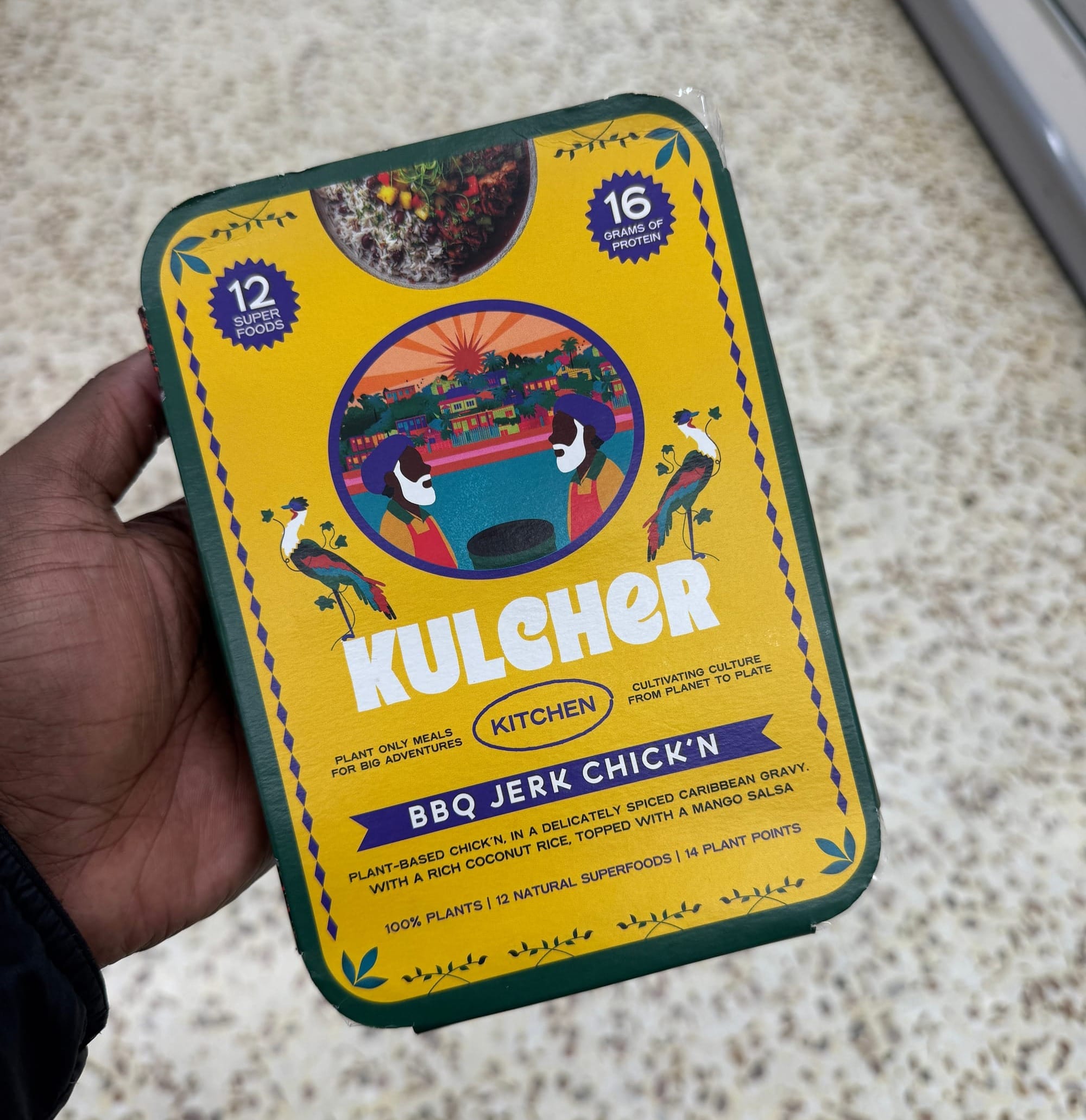
As I mentioned I rarely steer towards ready meals like this because I know what to expect on the other side, but to more unsuspecting eyes - ie someone from the general public who perhaps isn't a nutrition geek like me - they're seeing this:
- 100% plants
- Superfoods
- Plant points
- 16 grams of protein
All buzzwords that might make a consumer believe they were getting a healthy product.
But here's the thing.
You need to look at the back of everything.
Not in a neurotic way, but to just be aware.
I turned over the back and this is what I saw:
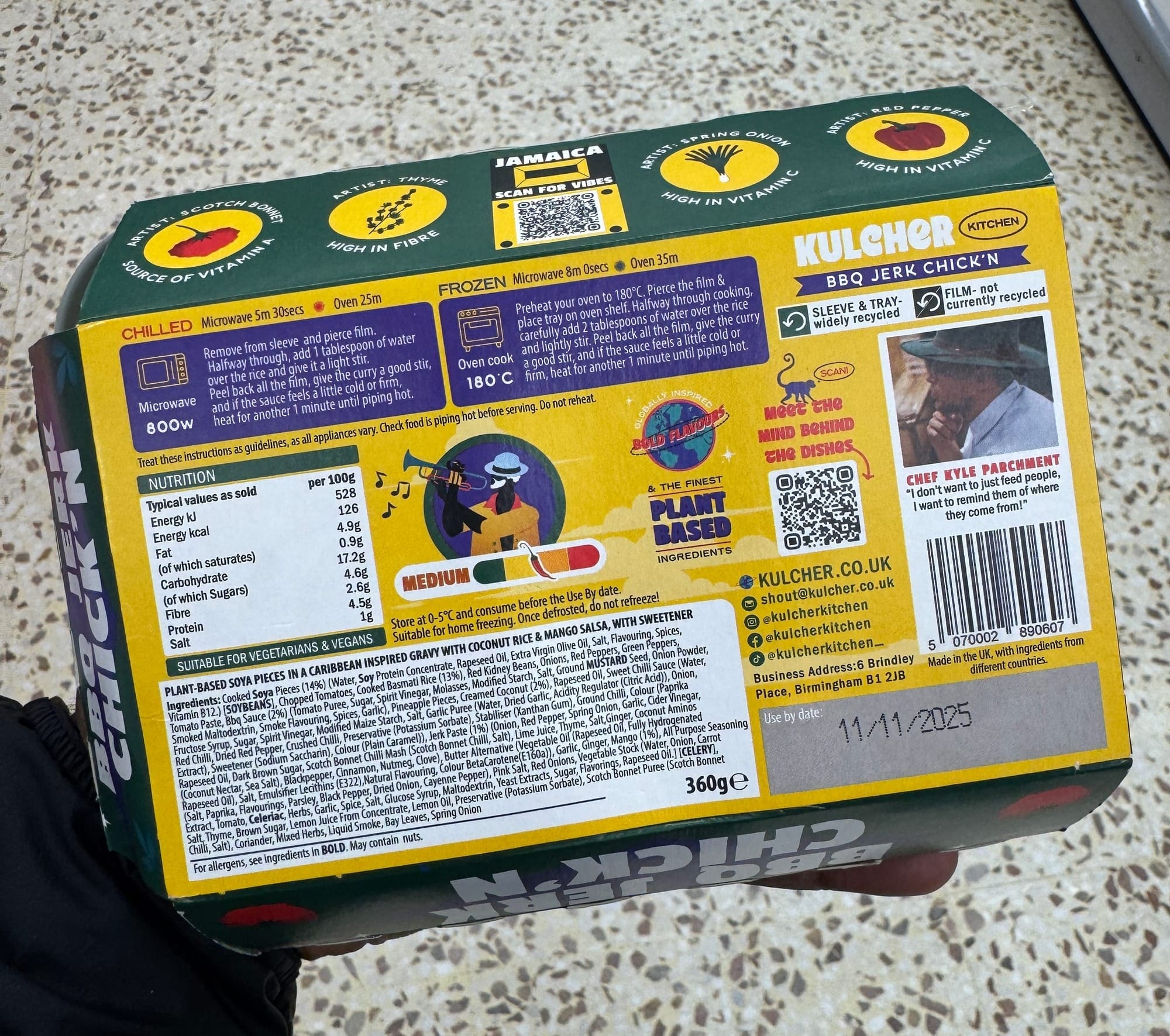
Here you see a laundry list of ingredients - which you can see listed below (I don't expect you to read it all - it's LONG):
Cooked Soya Pieces (14%) (Water, Soy Protein Concentrate, Rapeseed Oil, Extra Virgin Olive Oil, Salt, Flavouring, Spices, Vitamin B12), Chopped Tomatoes, Cooked Basmati Rice (13%), Red Kidney Beans, Salt, Green Peppers, Ground Mustard Seed, Onion Powder, Tomato Paste, BBQ Sauce (2%) (Tomato Purée, Sugar, Spirit Vinegar, Molasses, Modified Starch, Smoked Maltodextrin, Smoke Flavouring, Spices, Salt, Garlic, Spirit Vinegar, Modified Maize Starch, Fructose Syrup, Sugar, Stabiliser (Xanthan Gum), Colour (Plain Caramel), Preservative (Potassium Sorbate)) , Jerk Paste (1%) (Onion, Red Pepper, Spring Onion, Garlic, Thyme, Salt, Ginger, Scotch Bonnet Chilli, Spices), Lime Juice, Pineapple Pieces, Creamed Coconut (2%), Sweet Chilli Sauce (Water, Sugar, Spirit Vinegar, Modified Maize Starch, Salt, Garlic Powder, Smoke Flavouring, Stabiliser (Xanthan Gum)) , Onion, Crushed Chilli, Ground Chilli, Colour (Paprika Extract), Dried Red Pepper, Scotch Bonnet Chilli Mash (Scotch Bonnet Chilli, Salt), Sweetener (Sodium Saccharin), Coconut Aminos (Coconut Nectar, Sea Salt), Dark Brown Sugar, Cinnamon, Nutmeg, Clove, Colour (Beta-Carotene (E160a)), Natural Flavouring, Pink Salt, Black Pepper, Cayenne Pepper, Parsley, Vegetable Oil (Rapeseed Oil), Butter Alternative (Vegetable Oil (Rapeseed Oil, Fully Hydrogenated Rapeseed Oil), Salt, Emulsifier (Lecithins (E322)), Natural Flavouring, Colour (Beta-Carotene)) , Mango (1%), Cider Vinegar, Ginger, Vegetable Stock (Water, Onion, Carrot Extract, Tomato, Celeriac, Herbs, Garlic, Spice), Yeast Extracts, Glucose Syrup, Maltodextrin, Lemon Oil, Preservative (Potassium Sorbate), Scotch Bonnet Purée (Scotch Bonnet Chilli, Salt), Thyme, Coriander, Mixed Herbs, Liquid Smoke, Bay Leaves, Spring Onion.
Huge, huge difference from the information we saw on the front.
The consumer was painted a picture of a meal comprised of 100% plants, superfoods, plenty of plant points and of course used 'protein' on the front.
But what they're really getting is a processed plant-based food option, choc-full of additives and emulsifiers - alongside some whole foods.
And then you look at the nutrition facts and it doesn't paint a great picture either: 3.6grams of salt in a single meal, and 16g protein which is respectable but not worthy of putting on the front.
The problem with this
I don't have any issue at all with companies putting out food products and trying to meet a need for people.
Convenience is a necessary evil, and a meal like this isn't the worst thing in the world for someone to have as a stop-gap once in a blue moon.
But they should say that on the front if they truly care about the consumer.
Because saying 100% plants, superfoods, plant points and protein indicates a health-conscious choice - but this is absolutely not.
This is a meal that prioritises flavour and convenience above all.
And it just shows the huge importance for us as consumers to get comfortable with reading nutrition labels.
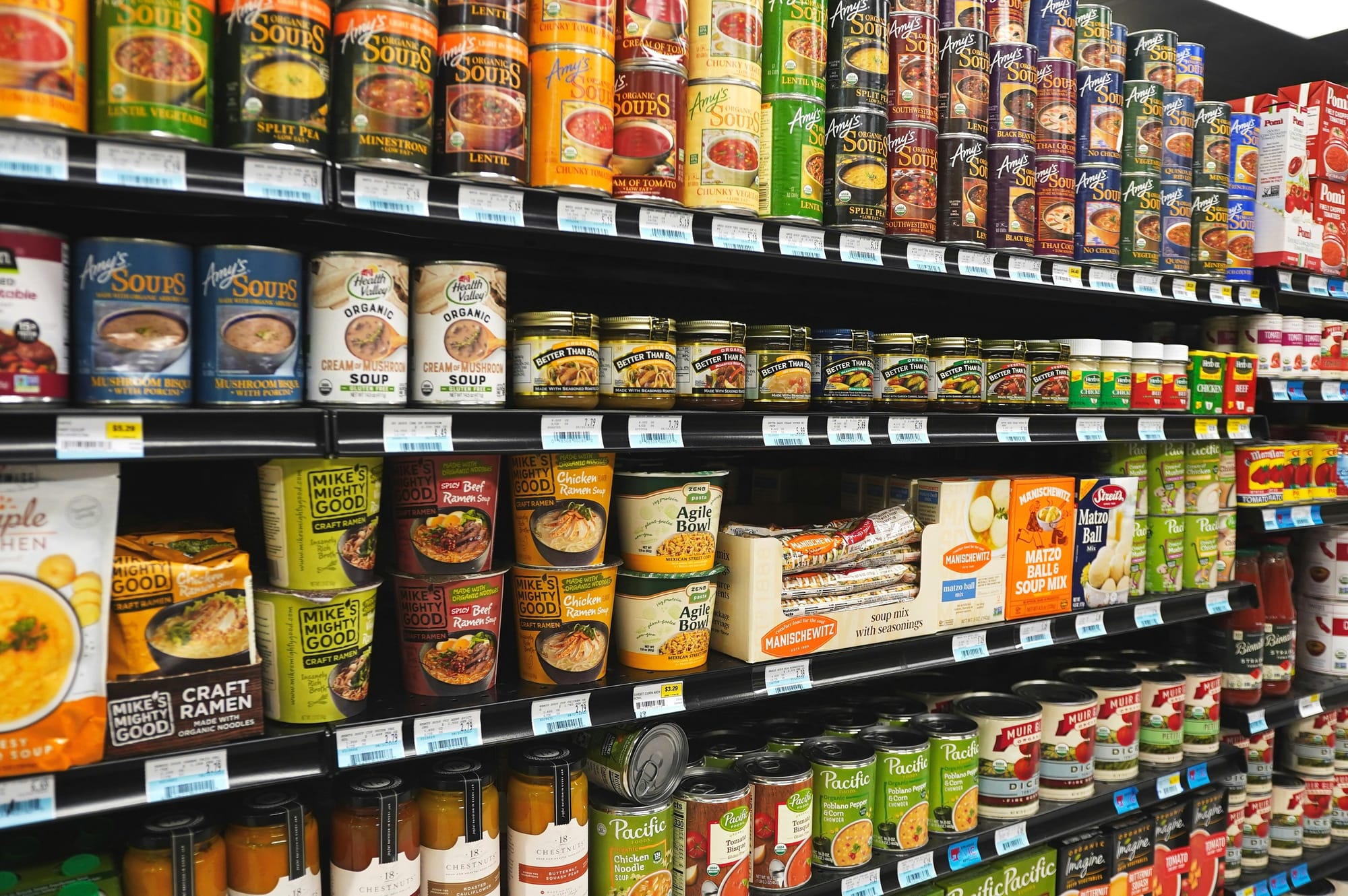
Nutrition labels cheat sheet
This cheat sheet will hopefully give you a better idea on what to look for when looking at nutrition labels to empower you to make better choices going forward:
You want to check the serving size first
Brands will often give you nutritional information per 100g (which can be useful for some things), but you want to calculate the weight of the entire meal (in the case of the example used, it was one 360g serving) to give you an accurate view of sugar, salt, fibre, protein etc.
Fibre per 100g
You want something that is truly going to satiate you (keep you full) and support gut health - use these metrics:
- 4g of fibre per 100g - great
- 2-4g fibre per 100 - fairly good
- <less than 2g fibre per 100g - not great and you might get hungry a bit quicker
Sugar content per 100g
This is the one that usually gets people: if it comes in the form of natural sugars (from fruit) it's not an issue, but in ready meals the sugar content often comes in the form of added sugars.
- 5g sugar per 100g - pretty low-ish sugar
- 5-10g sugar per 100g - moderate amount
- >10g sugar per 100g - that's a lot
Tip: added sugars being present doesn't always indicate a high-sugar meal. Look at the amounts used.
Protein per 100g
Tips to make sure you're getting the most out of a meal protein-wise:
- >6g protein per 100g - more likely to get 20-30g per meal (good amount)
- 4-6g protein per 100g - you might want to add a source of protein on the side; not a huge amount
- <4g per 100g - you're probably gonna get hungry soon after
Salt per 100g
Another important one to keep an eye on:
- <0.5g salt per 100g - sweet spot
- 0.5-1g salt per 100g - fairly high but not the end of the world once in a while
- >1g salt per 100g - that's high
Bear these in mind next time when you're scouring the supermarket aisles.
I don't want to deter people from ever having a ready meal in their life.
To be honest, they might serve a purpose when you're not looking to cook, or you are short on time (even though quick meal options are available, and that's perhaps an email I'll write soon).
It's just about knowing what is in these meals and making an informed choice.
Because these companies won't tell you, you can be sure of that.
They're relying on you as the consumer to see the stuff on the front, get excited and make a judgement on that and that alone.
But that's not really the best way to go.
In my view it's important to know this: if the front has a lot of claims, marketing, is colourful and loud - then the back DEFINITELY warrants your attention.
And hopefully this email and accompanying cheat sheet will help you going forward.
Stay healthy!
Jeff
...MY DEBUT COOKBOOK PLANT FUEL IS AVAILABLE TO PRE-ORDER!
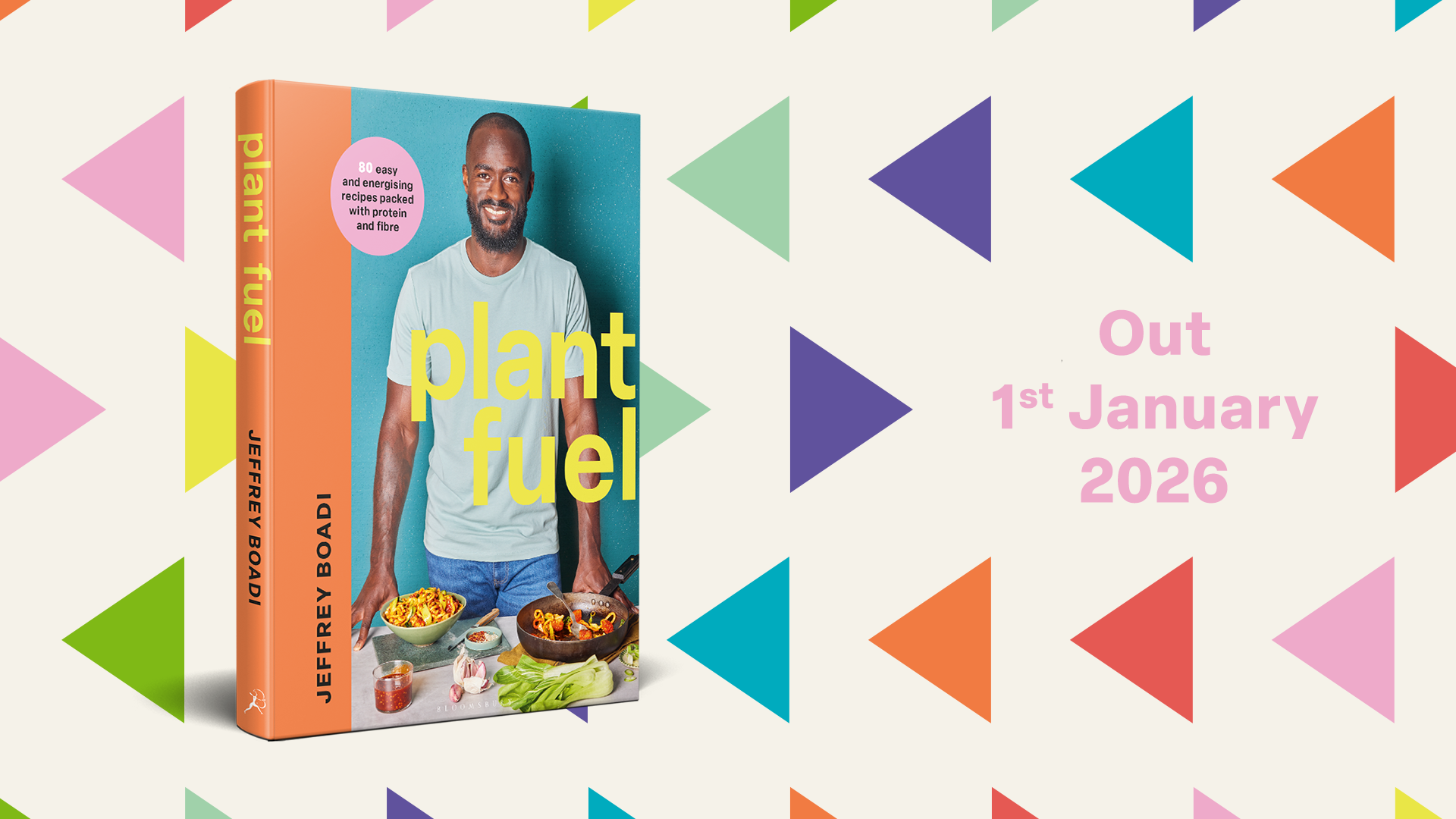
My debut cookbook Plant Fuel is available for pre-order now! 80 high-protein and high-fibre recipes that are easy, accessible and nutrient-rich, giving you plenty of energy and vitality. Not to mention they are also packed with flavour.
If you want to support the work and get your copy early, you can pre-order here.
(Every pre-order helps authors more than you can imagine, signalling interest and the opportunity to get the book in more places. Thank you for all of your support).