Happy Monday my friend!
Just a few more sleeps until Christmas. Not feeling hugely festive (yet) but I'm sure that'll change in the next few days!
Today's my last email until the New Year, and I just wanted to thank you for your readership, comments, replies (I read them all) and feedback.
Really grateful to have you in this community, and 2026 I'll be striving to continue giving really practical & evidence-led habits to improve nutrition and overall health.
Here's a last bit of info for you to take into the New Year with you.
The truth about oatmeal
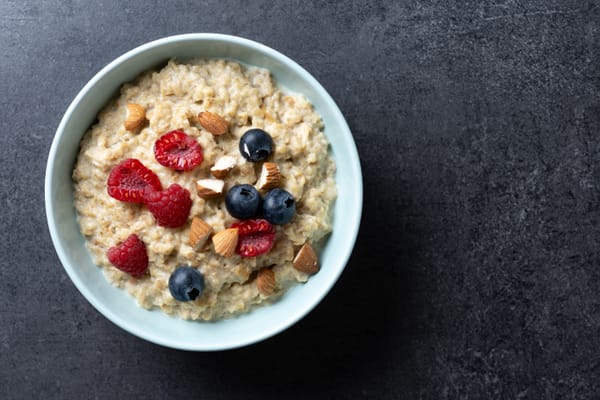
Oatmeal (or porridge as it's known in the UK) seemingly has become one of the most hated foods in the nutrition space in recent times.
Terrible sugar spikes, its carbohydrate make-up and its often reported bland taste make oats one of the bad guys in the food world.
But the reality is, most of it is just hype and not based on any reality.
A quick primer on oats and what you should go for:
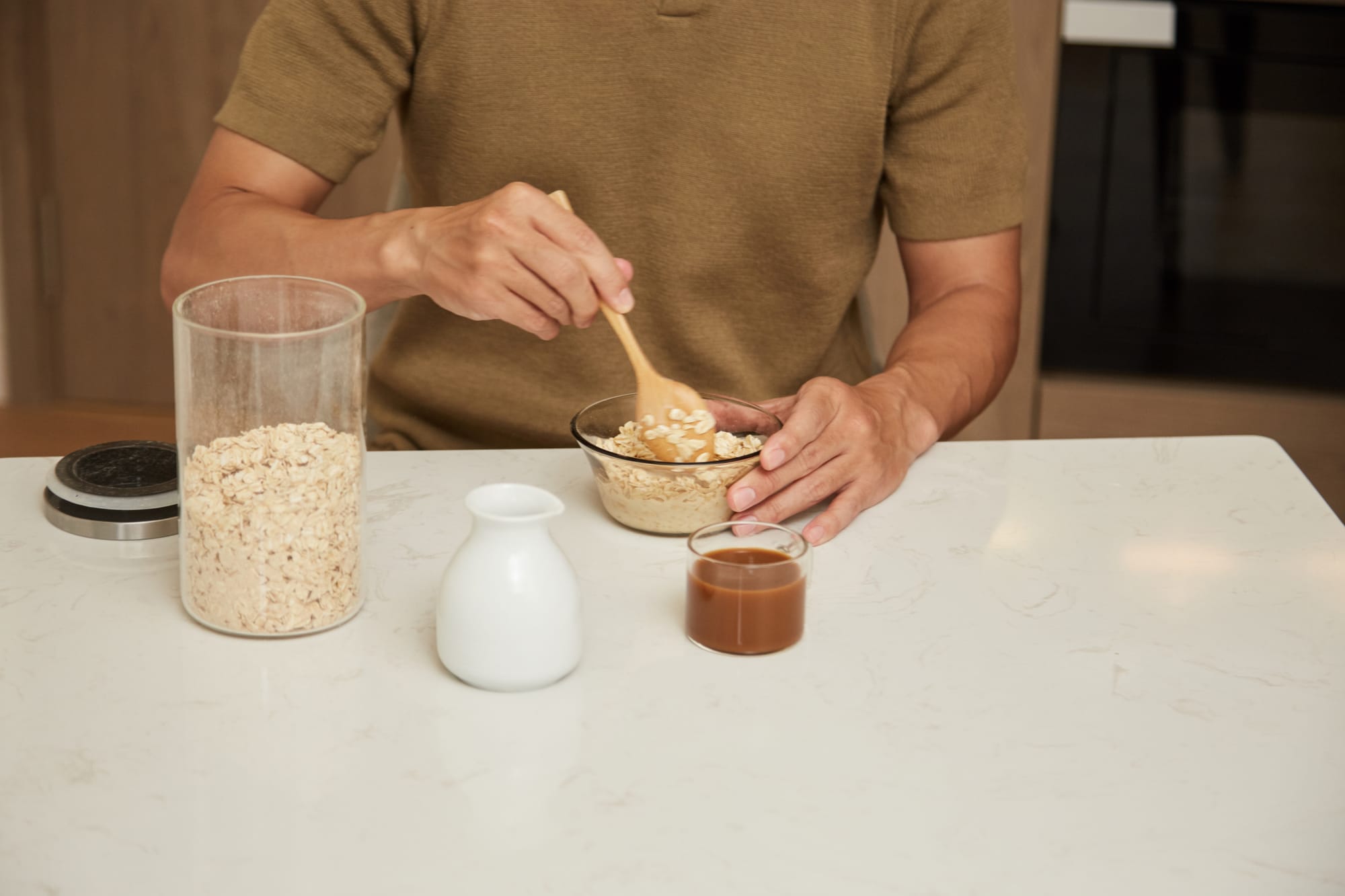
- Aim for wholegrain rolled or steel-cut (nutrition stays intact)
- Limit instant oatmeal (often laced with added sugars)
- Buy organic if your finances allow (limits the use of glyphosate which has been linked to cancer risk, so I personally prefer to go down this route)
Now this is out the way, what does the actual evidence say about oatmeal consumption?
Well - it's resoundingly positive, and adds weight behind its considerable benefits for health:
- Cholesterol-lowering properties: a 2025 systematic review on beta-glucans (a primary type of fibre found in oats) showed that they lowered atherogenic blood lipids (otherwise known as ApoB) - the way this happens is through the viscous fibre trapping bile acids in the gut and preventing them from being reabsorbed into the bloodstream
- Another randomised controlled trial showed that using oat beta-glucans helped reduce LDL cholesterol by 6% and estimated cardiovascular disease risk by 8%
We're talking about significant impacts on real-world health problems: cardiovascular disease (heart attacks, strokes etc) is one of our biggest killers and oats have a directly positive influence on reducing the risk.
As for 'blood sugar spikes', what does the best research show?
- Reductions in fasting glucose and HbA1c in people with Type 2 Diabetes
- Lower post-meal glucose and insulin spikes compared to refined carbohydrate meals
- The soluble fiber beta-glucan is the key factor in reducing glycaemic and insulinaemic responses from oat consumption
That should hopefully throw the 'oats spikes blood sugar' blanket statement out of the window - or at least add nuance, given that quick/instant oats vs wholegrain rolled and steel cut provide a different response.
In conclusion: when you have a bowl of oats that combines antioxidant-rich fruits like berries, nuts and seeds like pumpkin seeds, hemp seeds and walnuts for added protein and micronutrients, and even a scoop of protein - you have a healthy breakfast that covers all bases.
I've been on the oats train for a long time now (as you'll know if you follow me over on social media) and even if it's not a breakfast you have daily, there are huge benefits to it – backed by evidence.
Being the King of Oats means that I love to push out oatmeal recipes wherever I can - and I've got a handful of them in the 'Protein-powered mornings' chapter of my upcoming cookbook Plant Fuel, which has 80 plant-based recipes to support health and provide energy. You can pre-order here ahead of the January 1st UK launch (3rd of March is the release in the United States).
Surprising benefits of the sauna
"Jeff, another email about the sauna?" Yes 😄
I've said for so long that beyond training, nutrition and sleep habits, if there's one health add-on you should strive to use (if you have access to it), it's the traditional sauna.
We know about its benefits for immune function, detox (sweating is one of the best ways to rid our bodies of impurities), and cardiovascular health – but what about blood pressure?
A 2025 systematic review and meta-analysis of randomised controlled trials showed that systemic whole-body heating was associated with a 4-point reduction in systolic blood pressure (the top number you see in blood pressure readings).
Why is this important? It's been shown that a 5-point reduction in systolic blood pressure lowers the risk of a major cardiovascular event (heart attack, stroke etc) by around 10% - which is huge.
How you'll incorporate this into your routine:
- Aim for 2-4 sessions of traditional Finnish sauna per week (15-20 minutes is a good place to be, although build slowly if you're just starting out).
- Make sure you take water in with you and hydrate
Build your tolerance slowly - and once you do, sauna could become a really important tool in your health armoury for 2026.
How to inspire people towards better health in 2026
Most of us have friends and family in our lives that we really want to get healthier, and live well for longer.
Whether that's our parents, friends, co-workers - it can often be quite tricky to sit and say nothing when someone you care about may not be living quite as well as they could.
If that's you, it's important to remember this heading into 2026:
Preaching will backfire: be the model of health, and not the mandate.
What does that look like in practice?
- Just do things quietly and without fanfare: it could mean bringing your overnight oats to a meeting, or going for a walk to get daylight after lunch. People tend to copy what is visible, and also what is easy
- Offer, don't insist: this looks like "I'm making a Power Bowl, do you want one?" and not "you should have this Power Bowl, you haven't eaten very well recently". Invitation into what you are doing will always trump instruction, which is often met with defensiveness
- Share your why: your health habits are likely to bring questions; just say what it means to you, how it has helped you, and leave it at that. When people hear what's worked for someone else personally, it perhaps hits a little harder than 'you should eat better'
- Celebrate their wins: even if a friend or family member does something as go for a 10-minute walk every lunchtime, celebrate it. It will be the platform for them to go on and do more
It can be so tempting to try and bombard those closest to us with all of the health tips, 'hacks' and reasons why they should change instantly.
But human psychology often doesn't work like that.
It's also worth remembering the old saying:
You can lead a horse to water, but you can't make them drink.
As much as you share things in the best possible way, the desire for change always has to come from within the individual.
Focus on being the example, and everything will potentially follow.
I just wanted to again extend a huge thank you to you for being here, reading these emails and continuing to be a part of this community. I'd love to get some end-of-year feedback from you - so if you have some time, shoot me a reply with anything you've liked about these emails, what you'd like to see next year, or any other general thoughts you might have.
Thanks again, and have a great Christmas!
Jeffrey